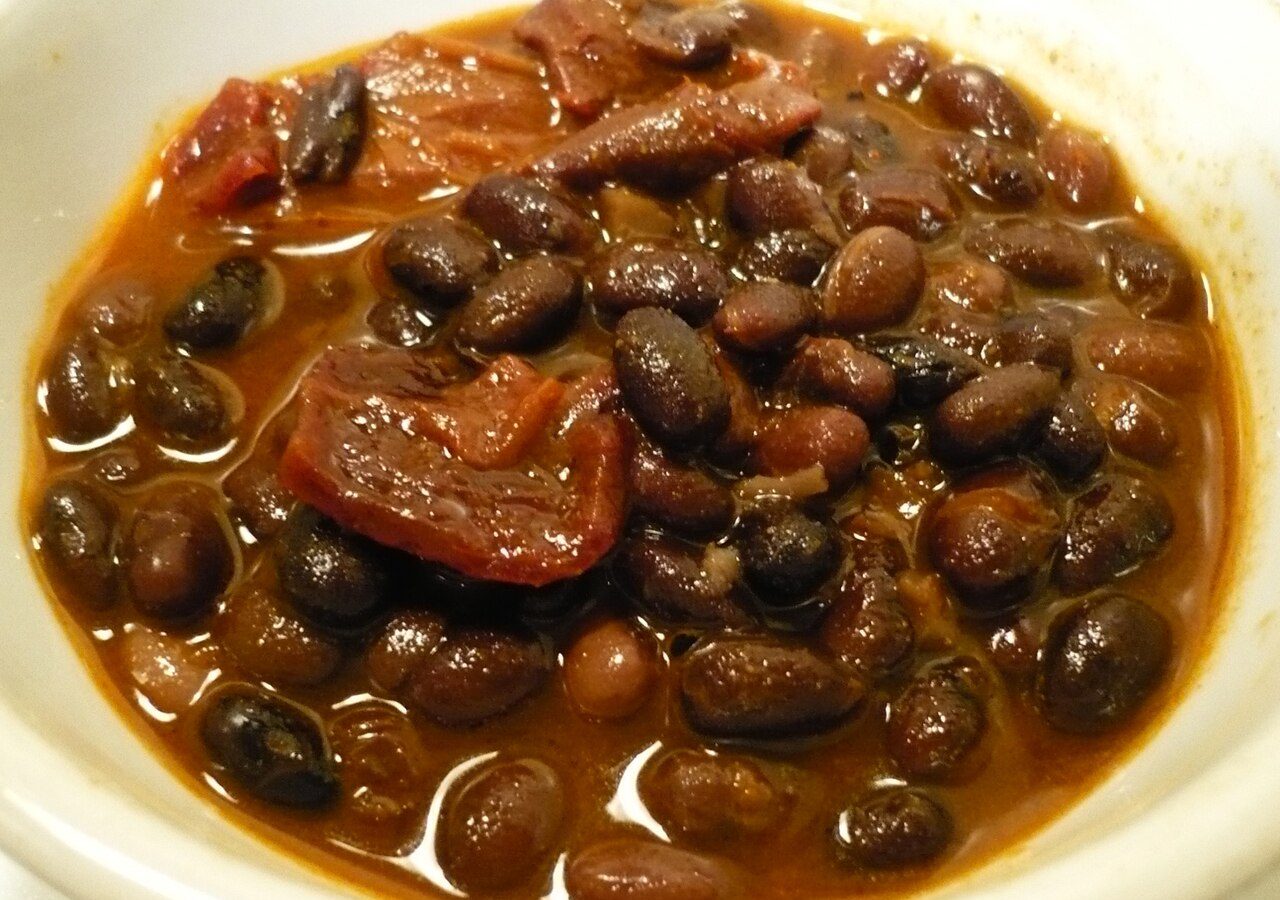
Dried Beans vs Canned Beans: Which One Is Actually Cheaper
A tin of beans goes into the trolley without a second thought. A bag of dried beans sits in the cupboard for a month while you decide whether the soaking is worth the trouble. One of those two habits costs about four times as much per serving, and it is not the one people expect.
Start with the arithmetic
A standard tin holds roughly 240 grams of drained beans and costs somewhere between one and two dollars. A 500 gram bag of dried beans costs about the same and yields close to 1.1 kilograms once cooked, which works out to four and a half tins. Put plainly, the bag is the tin four times over for the same money.
That comparison holds for black beans, chickpeas, kidney beans and white beans alike. The gap narrows slightly if you only ever buy tins on promotion, but it never closes. Even at half price, the tin is still the more expensive route.
There is a catch, and it is not the price. It is the planning. Dried beans need water, time and a pot, and if those three things are not available on a Tuesday night, the arithmetic stops mattering.
What the soaking actually costs you
Overnight soaking is free but requires a decision the night before. A quick soak, where you boil for two minutes and let the pot stand for an hour, costs a little gas and a lot less foresight. Both get you to the same place.
The cooking itself takes forty-five minutes to an hour and a half depending on the bean. If you are running a gas hob, that is maybe fifteen cents of fuel. If you are on electric, closer to thirty. Either way it is a fraction of the price gap.
What people forget is that the pot does not need watching. Once it is simmering, you can leave it and get on with something else. The active time is closer to five minutes than an hour.
The freezer changes the maths
Cook a whole bag at once and freeze what you do not eat in tin-sized portions. That is the move that makes dried beans practical, because from that point on you have the convenience of a tin without the price.
Portioned beans keep for about three months in a decent freezer and reheat in a couple of minutes. You are essentially running your own canning line, except nothing is added and nothing is wasted.
Buy a few cheap containers that stack, and the whole system takes one shelf. Label them with the date, because bean shapes are hard to tell apart once frozen.
Where tins genuinely win
Tins are better when you need exactly one portion, when you are travelling, or when the only shop within reach does not stock dried pulses. They are also better if you have no freezer space, since a bag of dried beans that never gets cooked is more expensive than any tin.
There is also the salt question. Tinned beans are already seasoned, sometimes heavily, which matters if you are watching sodium. Dried beans let you control that entirely, and you can salt the cooking water properly.
And one honest point in favour of tins: they do not require you to be the kind of person who plans dinner the night before. If that is not you, the four-times price may be a fair trade for actually eating beans.
The equipment question
A pressure cooker collapses the cooking time to about twenty-five minutes and cuts the fuel cost too. If you already own one, dried beans become an easy default. If you do not, a plain heavy pot with a lid is completely adequate and costs nothing extra.
Do not buy special equipment for this. The most common failure here is buying a gadget and then not using it, which turns a five dollar saving into a sixty dollar loss.
What you do need is a pot large enough that the beans are covered by two inches of water and still have room to move. Too small a pot is the reason most first attempts boil over.
Cooking them so you will repeat it
Salt the water from the start. The old advice to salt at the end makes for tough skins and it has been disproven for years. Add a bay leaf if you have one, skip the baking soda unless your water is very hard.
Cook until a bean squashes between your fingers without resistance, then stop. Overcooked beans turn to paste and there is no recovering them. Undercooked beans are worse, because they are genuinely unpleasant to eat.
Drain but keep the liquid. It is starchy, it thickens soups, and it is the base of every good bean stew you have ever eaten.
What about the water and the tin?
Two objections come up whenever this comparison is made. The first is water use, and it is fair: soaking and boiling a bag of beans uses several litres. The second is the tin itself, which is recycled at a high rate in most places and is not the villain it is often made out to be.
On water, the honest answer is that the difference is small next to the water used to grow the beans in the first place, and smaller still next to a shower. On tins, recycling rates for steel are genuinely good, so the packaging argument is weaker than it looks. The cost case stands on its own either way.
Buy one bag this week, cook it on a Sunday, and freeze it in four containers. Next time you reach for a tin out of habit, you will have the alternative already sitting there. That single swap, repeated, is worth more than any other change to a grocery routine.