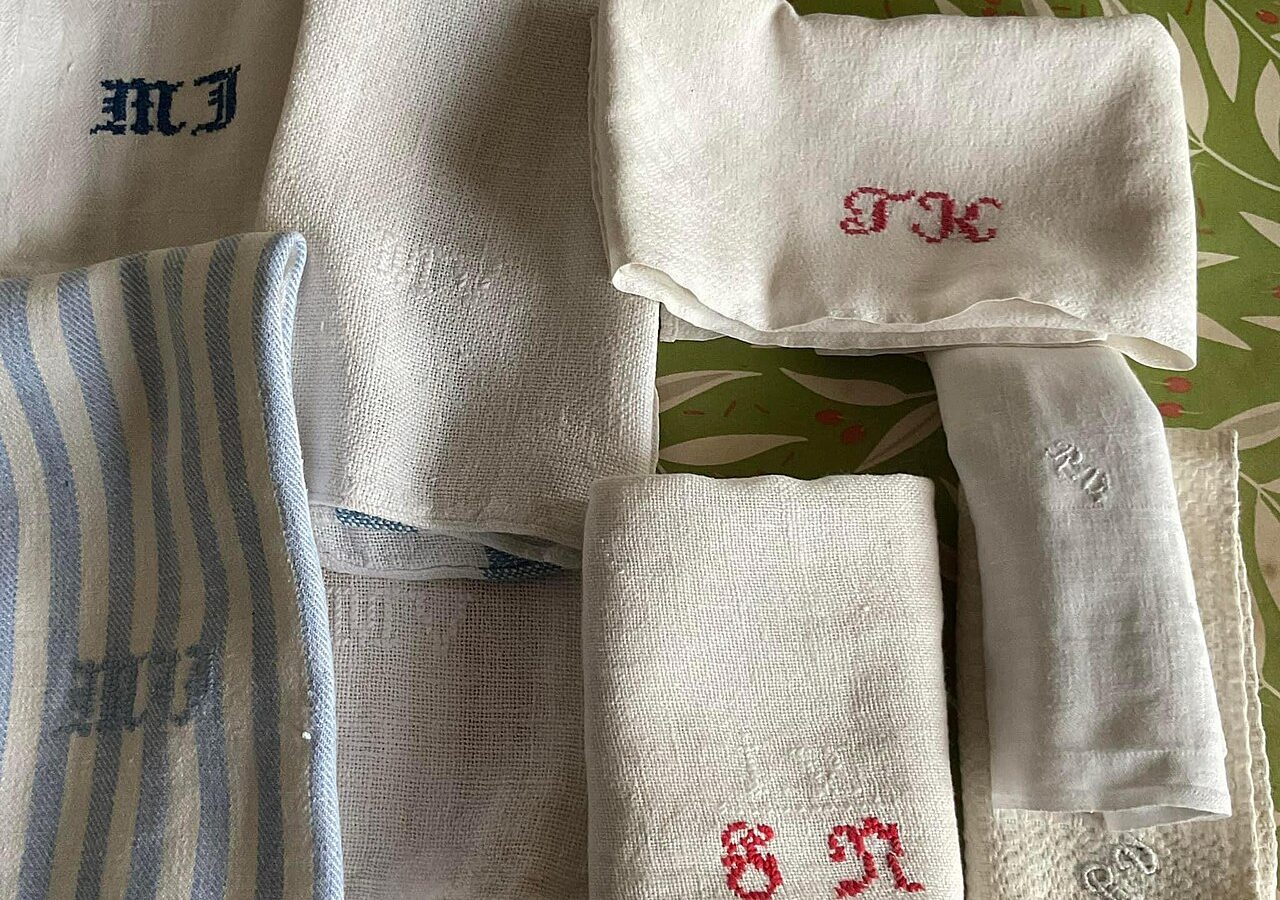
Cloth Wipes vs Paper Towels: Working Out the Break-Even Point
A roll of paper towels gets used up in about ten days and nobody thinks about it. A stack of cloth wipes gets washed once a week and lasts years. The paper version feels cheaper because the cost arrives in small pieces, but the arithmetic tells a different story once you count a full year.
What a year of paper actually costs
A household that cooks most nights gets through roughly two rolls a week, which is about a hundred rolls a year. At two dollars a roll that is two hundred dollars, and that is before you count the ones used for spills, mirrors and cleaning the bathroom.
Heavy users, especially homes with small children or pets, can double that number without noticing. The spend is invisible because it is spread across fifty-two shopping trips.
Now price the alternative. Twenty-four decent cotton or bamboo wipes cost around eighteen dollars. They will survive several hundred washes, so the purchase is genuinely once.
The washing question, honestly
This is where the comparison usually falls apart. Wipes need washing, and washing costs electricity, detergent and your time. Pretending otherwise makes the whole case dishonest.
The fair way to count it is marginal cost. If you are already running a load of towels or kitchen linen most weeks, a small bundle of wipes fits into that load at almost no extra cost. If you would be running an additional hot wash purely for wipes, add roughly forty cents a load.
Even at that higher figure, a hundred washes over four years comes to forty dollars. The total still lands well under the paper habit, and the wipes are still in service at the end of it.
Where the swap becomes annoying
Grease is the obvious one. A cloth wipe smeared with bacon fat needs a hot wash and possibly a pre-rinse, and paper handles that in one motion. Keep a small roll of paper for the genuinely grim jobs rather than pretending cloth covers everything.
Raw meat is the second. Anything that touches raw poultry should go in the bin, not the laundry. Food safety beats the environmental argument every time.
And then there is the smell problem if wipes sit damp in a bucket for three days. A small lidded bin lined with a washable bag solves it, but you have to actually empty it.
Choosing wipes that hold up
Thin cotton flannel works well and gets softer with age. Terry cloth is more absorbent but takes longer to dry. Old towels cut into squares are the cheapest option and they work fine, though the edges fray and need a quick zigzag stitch.
Avoid anything with a plastic backing or synthetic blends marketed as reusable. They smear rather than absorb and they hold onto grease permanently.
Colour coding helps more than you would expect. One colour for kitchen surfaces, another for bathroom, another for floors. Nobody has to remember which is which, and guests do not have to guess.
Building the routine
Keep a clean stack within reach of the sink and a small bin underneath it. If the clean wipes are in a cupboard three steps away, paper will win on a busy evening. Friction decides these things.
Wash at sixty degrees with the rest of your kitchen linen. Do not use fabric softener, which coats the fibres and kills absorbency faster than anything else.
Hang or tumble dry fully before they go back in the stack. Damp wipes stored together develop a smell that no amount of washing removes.
What to do about the roll you already have
Do not throw it out. Finish it, and note how long it lasts. That number is your baseline, and it makes the comparison personal rather than theoretical.
When it runs out, buy the wipes instead of another multi-pack. One purchase, no subscription, no ongoing line in the budget.
If after two months the wipes are sitting unused in a drawer, you have your answer and no harm done. Some households genuinely are paper households, and that is a legitimate outcome of testing rather than a failure.
What about the people who genuinely hate laundry
There is a version of this swap that fails for a predictable reason. Someone buys the wipes, uses them for a week, and then discovers they cannot face a second wash cycle on top of everything else. The wipes end up in a drawer and the paper comes back.
If that sounds familiar, the middle path is worth trying. Keep paper for the jobs that make you flinch and use cloth for everything dry: dusting, wiping down a table, drying a glass. You will cut paper use by roughly half without touching your laundry schedule at all.
That is a smaller win than the full swap, but it is a win that survives contact with a real week. A habit you keep at forty percent beats a habit you abandon at a hundred.
The other option is to put the wipes in with the bath towels, which most households wash anyway on a weekly cycle. Once they live in a load you were already running, the objection disappears on its own.
Count your rolls for one month and write the number on the inside of a cupboard door. Then buy a set of wipes and see whether the number comes down. That is a small, cheap experiment with a clear result, and it beats arguing about it.