Milk in Glass Bottles: How Deposit Schemes Actually Work
A litre of milk in a plastic bottle costs about a dollar twenty. The same litre in a returnable glass bottle costs two dollars plus a deposit. The deposit is refundable and the bottle is reused, which sounds like a clear win until you work out what you are actually paying for.
How the deposit works in practice
You pay a deposit, typically between fifty cents and a dollar, on each bottle. When you return the empty, you get it back, either as cash or as credit against your next order.
The bottle is then washed and refilled by the dairy, usually between fifteen and twenty-five times before it is retired. That reuse cycle is where the environmental benefit sits.
The economics only work if you return the bottles. A bottle kept in a cupboard is a bottle you paid a dollar for, and it will never be reused.
The real cost per litre
If you return every bottle, the effective cost is the milk price alone, which is usually higher than supermarket plastic. That premium pays for the delivery, the glass and the collection.
If you return nothing, add the deposit to the price permanently. That makes it the most expensive milk available, which is worth knowing before you sign up.
Most households return most bottles and lose a couple a year. Budget for that rather than expecting perfection.
Where it genuinely wins
Doorstep delivery removes a car trip to the shop. If you were driving to buy milk, the fuel saving often exceeds the price premium on the milk itself.
Glass does not leach and does not taint, so the milk genuinely tastes better, especially in the first day. That is not romanticism, it is a real difference in how the fat behaves against the packaging.
And the reuse cycle is meaningfully better than recycling. Melting a bottle and making a new one takes far more energy than washing an existing one.
The comparison with plastic recycling
Plastic milk bottles are among the most recyclable items in the household waste stream, and in many countries the recycling rate is genuinely high. This is not the worst plastic in your kitchen.
So the argument is not that plastic is terrible. It is that reuse beats recycling, and a bottle used twenty times avoids twenty manufacturing cycles.
The honest framing: switching to glass is a modest improvement with a real price premium, not a dramatic one with a saving.
Practicalities that make it work
Rinse the bottles before storing them. Milk residue in a warm kitchen produces a smell that will make you stop returning them.
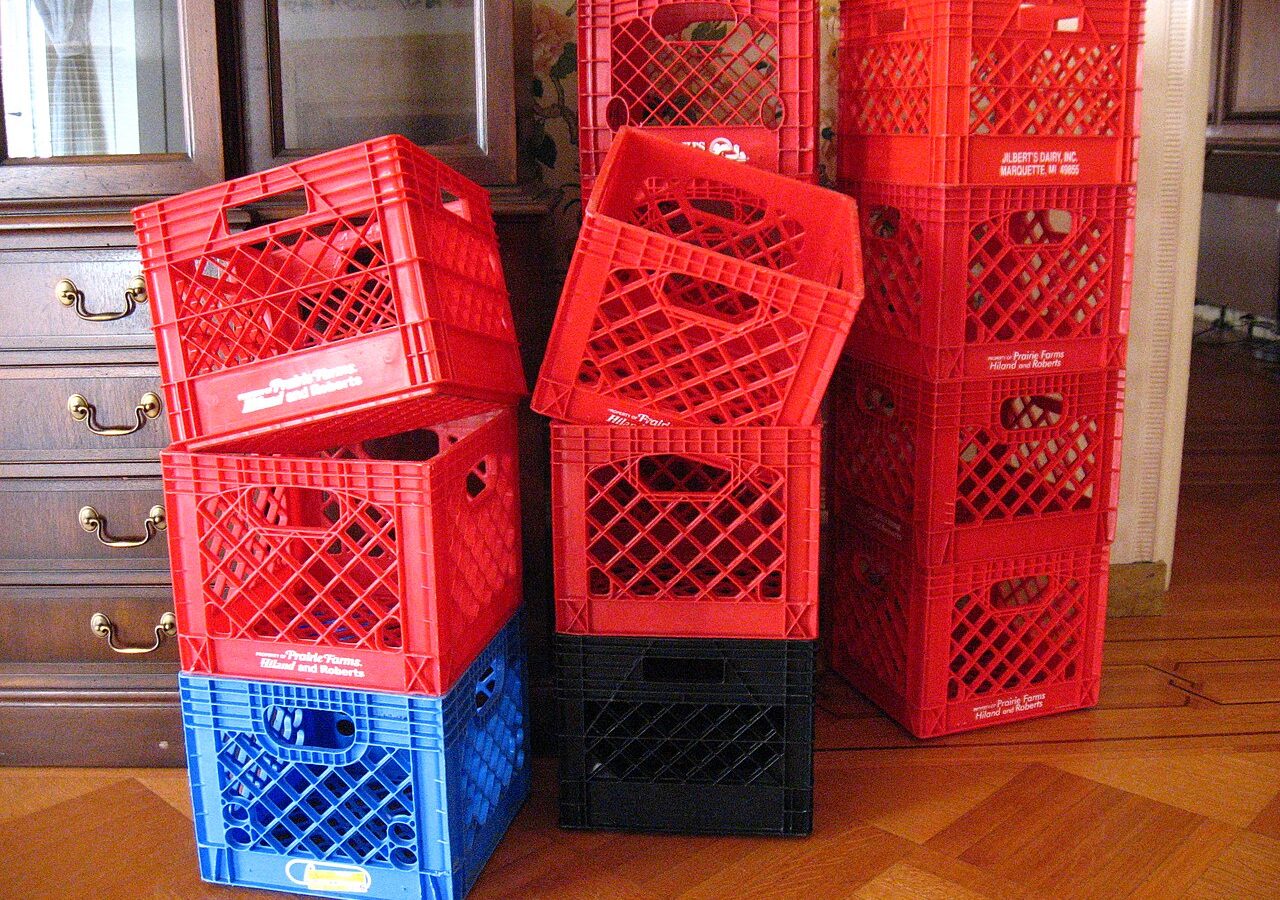
Keep a crate by the door and put the crate out the night before. The scheme fails on logistics, never on principle.
Check whether your dairy takes competitor bottles. Some do, some do not, and turning up with the wrong glass wastes a trip.
When it does not suit you
If you drink very little milk, a weekly delivery means milk sitting past its date. Buy smaller bottles or skip the scheme.
If you have no safe place for a doorstep delivery, the scheme is impractical regardless of the environmental case.
And if the price premium is beyond your budget, buy the plastic bottle without guilt. A household budget is not a moral failure, and there are cheaper ways to cut waste that cost nothing.
The wider point about deposits
Deposit schemes work because they attach a value to the container. That single mechanism changes behaviour more reliably than any amount of messaging about recycling.
The same logic is spreading to other drinks, and the pattern is worth watching if you buy bottles regularly. Where a deposit exists, returning it becomes automatic within a month.
That habit, once formed, tends to extend. Households on deposit schemes report returning other containers too, which is an unplanned benefit.
The carbon comparison, roughly
Glass is heavier to transport than plastic, which partly offsets the reuse benefit. A bottle trucked two hundred miles and reused twenty times still wins, but the margin is narrower than campaigners suggest.
Local dairies have the best case, because the transport distance is short and the bottles return on the same route that delivered them.
If the milk is travelling long distances in glass, the calculation becomes close to a wash. Asking where the dairy is located is more informative than any environmental claim on the label.
What happens to a bottle that comes back dirty
Dairies wash bottles at high temperature with caustic detergent, which is far more thorough than a domestic rinse. A bottle with dried milk inside still gets cleaned, it just costs the dairy more water and energy.
Rinsing before you put it out is therefore a courtesy that also improves the economics of the whole scheme. It takes five seconds at the sink.
Find out whether a dairy delivers in your area and what the deposit is. Order one week’s worth and return the bottles on the next delivery. If the maths does not work for your household, you have lost nothing but a phone call.