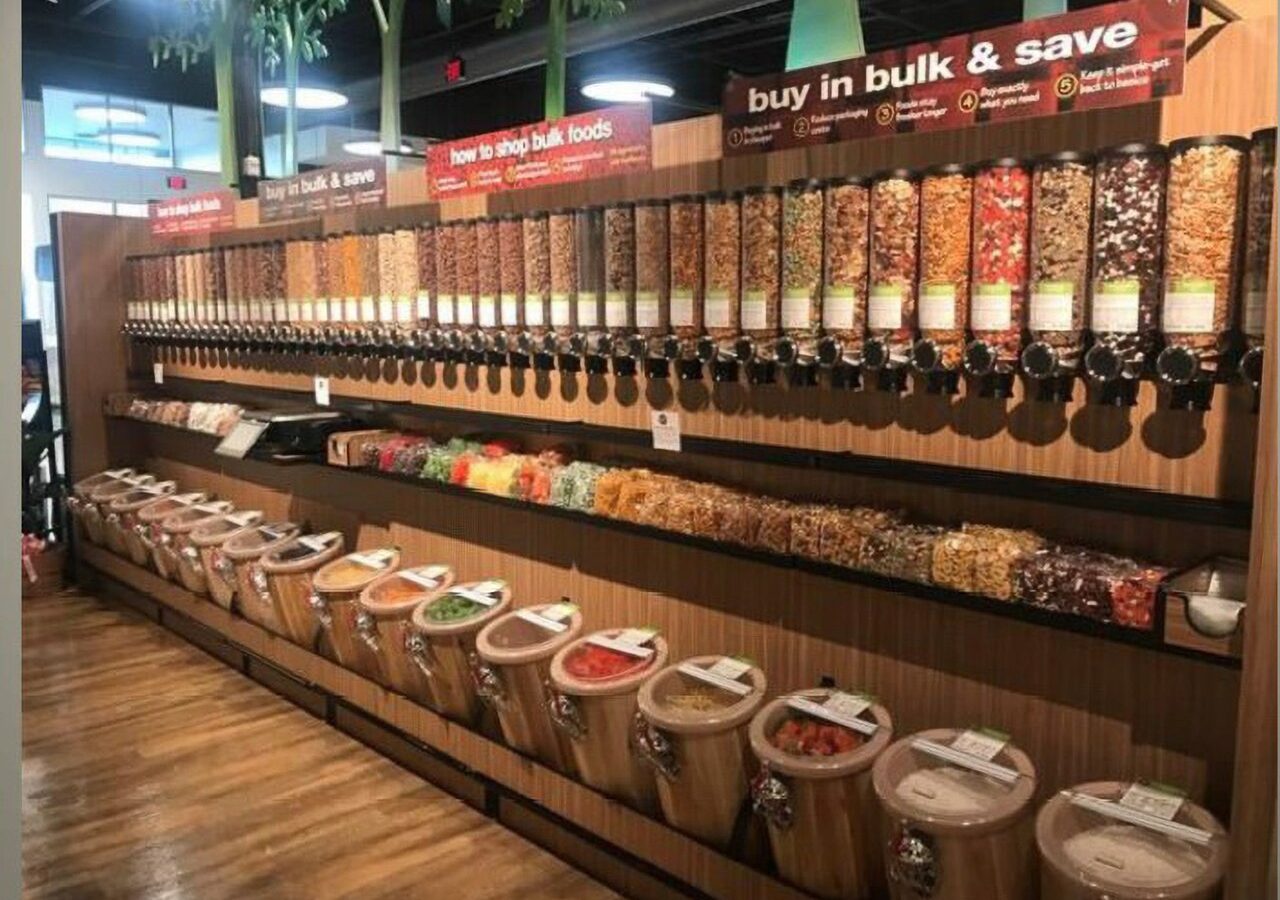
Refill Shops: When the Trip Actually Pays for Itself
The refill shop looks like the obvious right answer. Jars on shelves, no plastic, a vaguely virtuous feeling at the till. Then you get home and realise you paid eleven dollars for washing-up liquid that costs four in the supermarket, and the whole idea starts to look like a tax on good intentions.
Why the price gap exists
Refill shops buy in smaller volumes than supermarket chains, employ staff on a shop floor rather than a warehouse, and pay rent on a high street unit. All of that lands in the unit price. It is not a markup for ethics, it is the cost of a small retail operation.
That means the gap is not fixed. It varies enormously by product and by shop. Some refills are close to parity, and a few are cheaper. Others are two or three times the supermarket price for something chemically identical.
So the useful question is not whether refill shops are cheaper in general. It is which specific products are worth carrying a jar across town for.
The products where refill wins
Dry goods are the strongest case. Oats, rice, lentils, nuts and dried fruit travel well, keep for months and are usually priced competitively against supermarket own-brand. You also buy exactly the amount you need, which matters if a recipe calls for ninety grams of something.
Liquid soap and shampoo are next. The concentrate is cheap to transport, and a refill shop selling in volume often undercuts a branded bottle by a meaningful margin, especially once you stop paying for water and pumps.
Cleaning vinegar and bicarb are close to parity almost everywhere. If you are making the trip anyway, these are easy fills.
The products where it does not
Washing-up liquid is the classic loser. It is mostly water, the supermarket version is heavily discounted as a loss leader, and the refill price rarely gets close. Buy it in the largest bottle you can carry instead.
Laundry detergent is similar unless you are buying a genuine concentrate. Compare the cost per wash, not the cost per litre, because dilution ratios vary wildly between brands.
Coffee and tea are usually more expensive at a refill shop than online, and freshness depends entirely on turnover. A slow-moving bin of beans is not a bargain at any price.
The trip cost nobody counts
If the shop is a fifteen minute walk, the trip is free and the case is easy. If it requires a bus fare or a drive, add that to every purchase. A four dollar return fare turns a two dollar saving into a loss.
The sensible pattern is to batch. Go once a month, take a list, and fill everything at once. That spreads the travel cost across a dozen items instead of one.
Combine it with something else you already do. A refill trip appended to a weekly shop costs nothing extra in travel, and it removes the entire objection.
Containers and weights
Weigh your empty jars at home and write the weight on the lid in marker. Shops can tare them at the counter, but doing it in advance saves time and avoids the awkward moment where three staff members debate the procedure.
Use wide-mouthed jars for powders and narrow for liquids. Funnels are worth owning, and a cheap plastic one costs less than the mess you will otherwise make.
Do not overfill. A jar filled to the brim is heavy, awkward to carry and impossible to scoop from without spilling.
Making it a habit that survives
Keep the jars in one bag by the door, ready to go. If they are scattered across three cupboards, the trip will not happen. The friction is always in the preparation, never in the visit.
Keep a running list on the fridge of what needs refilling. Otherwise you arrive with four jars and no memory of what was in them.
Start with two products, not twelve. Pick the two you use fastest and see whether the numbers work for your shop, with your travel cost. Then expand from evidence rather than enthusiasm.
Reading the shelf label properly
Refill shops do not always display a unit price, and when they do it is sometimes per hundred grams while the supermarket uses per kilogram. That mismatch makes comparison harder than it needs to be, and it is worth carrying a calculator on the first visit.
Do the conversion on the spot for the three things on your list. Write the supermarket equivalent on the jar with a marker. After two visits you will know your own shop’s price map without thinking about it, and the decision becomes automatic.
Also check what is in the bin. A refill shop with slow turnover will have stale flour and rancid nuts, and freshness matters more than a few cents. Look at the date on the stock rotation card and ask how often the bins are filled.
Finally, weigh the container before filling. Some shops deduct tare automatically, others rely on you to tell them. Getting this wrong by a hundred grams on a small purchase quietly erases the entire saving.
Next time you pass the shop, take one empty jar and buy one thing you use weekly. Compare the unit price on the shelf label with the one on your last supermarket receipt. That single comparison tells you whether this shop is worth a monthly trip for your household.