Buying Olive Oil in Bulk Without Wasting Half of It
A three litre tin of good olive oil costs about the same per litre as two small bottles. A three litre tin that goes rancid before you finish it costs more than both. The bulk purchase is only a saving if the oil survives the six months it takes to use it.
Why oil goes off
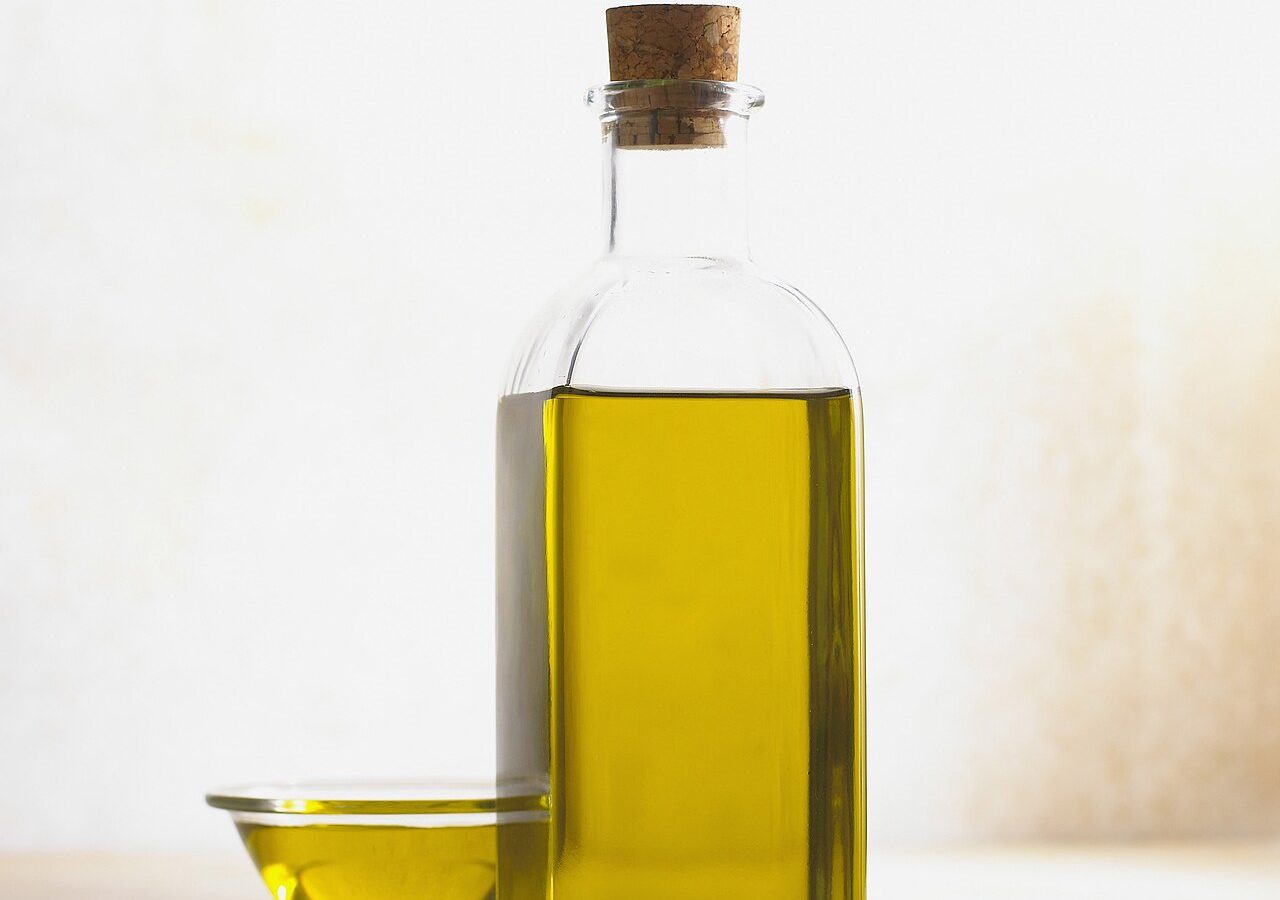
Olive oil fails through oxidation, and three things speed that up: light, heat and air. A clear bottle on a sunny counter is the worst possible container, and it is also how most oil is sold.
Freshness at purchase matters as much as storage. Oil has a harvest date, usually printed as a year, and a bottle from the current harvest will outlast one from two years ago by a wide margin.
If there is no harvest date on the label, that is information in itself. Good producers put it there because they are proud of it.
Choosing the container
Buy in a dark tin or a dark glass bottle. Tins are excellent because they block light completely and the oil inside is protected until the moment you open them.
Decant into a small dark bottle you keep on the counter, and store the bulk tin in a cupboard. That way the oil you use daily is convenient and the reserve is protected.
Never decant into a clear decorative bottle unless you plan to use it within a month. It looks lovely and it destroys the oil.
The three litre question
Three litres is roughly two hundred tablespoons. A household using oil daily for cooking and dressing goes through that in five to seven months, which is inside the safe window for a well-stored tin.
A household that uses oil occasionally will not finish it in time. In that case a one litre tin is the right purchase, even though the unit price is worse.
Be honest about your usage for two weeks before deciding. Count the tablespoons rather than guessing, because most people overestimate by a lot.
Keeping it fresh once opened
Keep the tin in a dark cupboard away from the oven. Warmth accelerates oxidation more than anything else, and the shelf above a hob is the worst place in the kitchen.
Close the tin properly after each pour. Air is the third enemy, and an open tin is a slow leak of quality.
Do not store oil in the fridge. It solidifies, which is harmless, but repeated warming and cooling is not kind to it and the texture becomes grainy.
Reading the label without being fooled
Extra virgin means cold pressed and low acidity. It does not automatically mean good, and it says nothing about freshness. A two year old extra virgin is worse than a fresh ordinary olive oil for most uses.
Blends are fine for cooking and cheaper. Save the single origin oil for dressing, where you can actually taste the difference, and use the cheaper one for roasting.
Ignore claims about being the best in the world. Awards are marketing. The harvest date and the container tell you more than any medal on the label.
When it has gone off
Rancid oil smells like crayons or old nuts, and it tastes flat and slightly bitter in a way that lingers. If you notice that, the oil is finished and no amount of blending will rescue it.
Do not cook with it to use it up. Rancid oil makes food taste wrong, which means you waste the food as well as the oil.
Small amounts can go on a compost heap or into soap making, but realistically the bin is the honest destination. That is why buying the right size matters more than buying the cheapest per litre.
What to do with the tin afterwards
Steel tins recycle well and most councils accept them. Rinse first, because oil residue contaminates a recycling batch faster than almost anything else.
A clean tin is also a decent storage container for dry goods, though cutting it open safely is more trouble than it is worth unless you have the right tool.
Whatever you do, do not put a half full tin in the recycling. Empty it properly, or keep using it.
The first week after opening
Fresh oil has a peppery bite that fades within weeks of exposure to air. That is normal and it is not a sign of a bad tin. What you are watching for is the flat, crayon smell of actual rancidity.
Pour the first bottle from the tin and use it within a fortnight. That first bottle tells you how the rest will age, and it gives you a baseline to compare against in three months.
Keep a small piece of tape on the tin with the opening date written on it. You will not remember otherwise, and the date is the only way to judge whether the tin is still good.
Before you buy the big tin, count how many tablespoons of oil your kitchen actually gets through in a week. Multiply by twenty-six. If the answer is under three litres, buy the tin. If it is over, buy two one litre tins instead and keep them sealed until needed.