Laundry Sheets vs Liquid Detergent: What the Wash Really Costs
A box of laundry sheets promises forty washes in a package the size of a paperback. A bottle of liquid detergent promises sixty washes and weighs two kilos. One of them is a genuine improvement and the other is mostly water you are paying to ship.
The cost per wash, worked out
A mid-range liquid detergent costs about fifteen dollars for sixty washes, which is twenty-five cents a wash. A box of sheets costs about twenty dollars for sixty, which is thirty-three cents. On sticker price the sheets lose.
That gap closes or reverses when you buy liquid on promotion, which happens constantly. It never closes if you use more liquid than the cap recommends, which most people do.
The real difference shows up in storage and shipping, not in the wash itself. That is worth knowing before you switch on ecological grounds alone.
Do the sheets actually clean
For everyday laundry in a machine that works properly, yes. Sheets dissolve in the drum and deliver roughly the same surfactant load as a measured dose of liquid.
They struggle with three things: heavy soiling, very hard water, and cold washes below twenty degrees. If any of those describe your situation, expect to use two sheets per load, which doubles the cost and removes the point.
They are also poor for pre-treatment. You cannot dab a sheet onto a collar stain the way you can with liquid, so you need a separate stain product either way.
The plastic argument, honestly
Sheets come in a cardboard box and weigh almost nothing, so the packaging and transport footprint is genuinely lower. That is a real advantage and it is the main reason people switch.
Liquid comes in a plastic bottle that is usually recyclable but often is not recycled. The detergent itself is mostly water, so you are shipping litres of tap water around the country.
Concentrated liquid is the compromise most people overlook. It uses a third of the water, a smaller bottle, and the cost per wash is often lower than either of the other two.
What the machine thinks
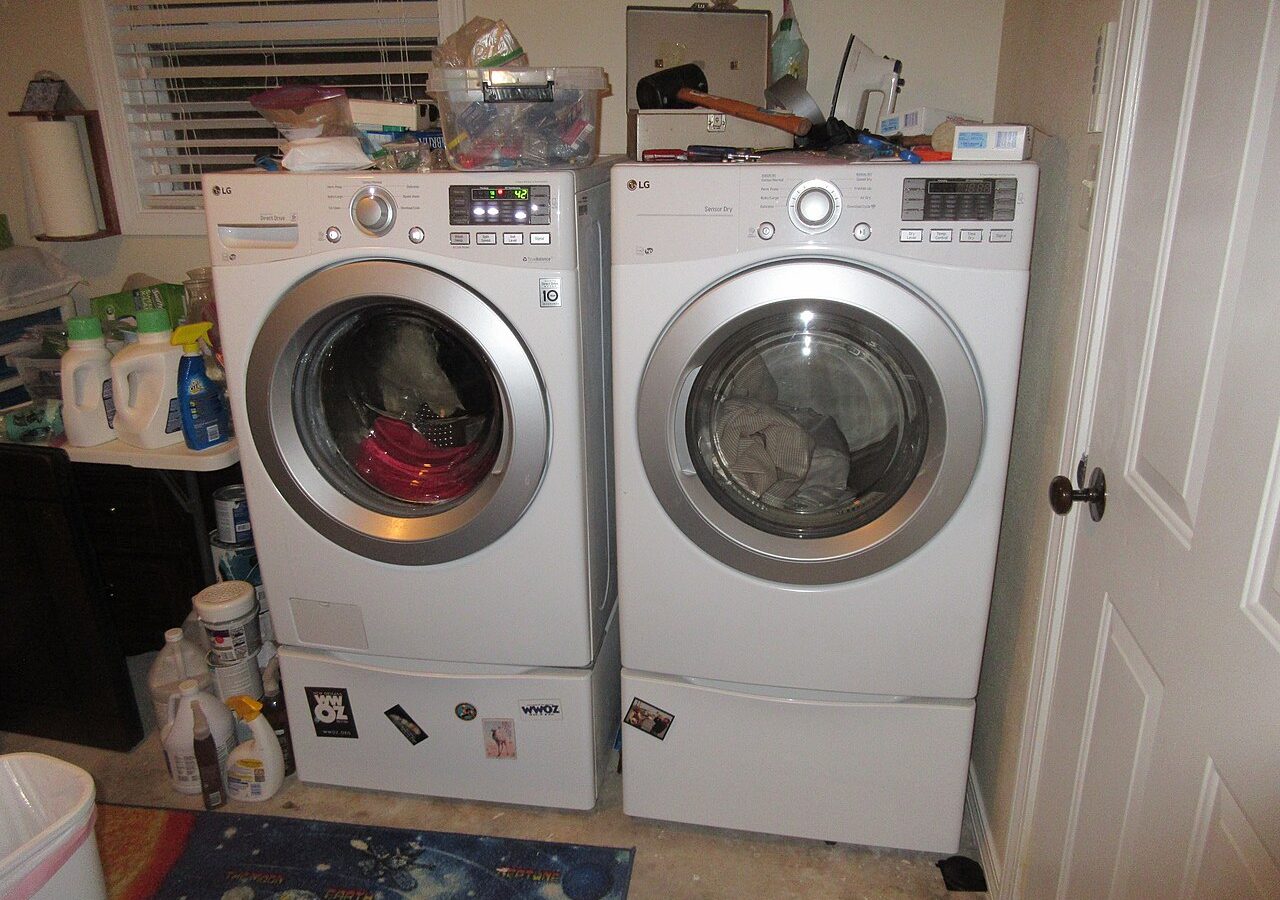
Front loaders with a dispenser drawer handle liquid best, because the dose goes in at the right moment in the cycle. Sheets work fine but dissolve at the start, which matters little in practice.
Top loaders with an agitator can leave a partially dissolved sheet stuck to clothes, especially in a short cycle. If that happens, switch to a warm wash or cut the sheet in half.
Very short cycles are the main failure mode for both products. Neither works properly in fifteen minutes, and the sheets are slightly worse at it.
The hard water problem
Hard water needs more surfactant to get the same result, and both products underperform there. Sheets are less adjustable because you cannot easily add a splash more.
If your kettle furs up within a month, you have hard water. In that case, liquid or powder with a measured extra half dose will outperform sheets every time, and the cost advantage of sheets disappears.
Powder remains the best performer in hard water and is usually the cheapest per wash. It is unfashionable and it works.
Deciding for your household
If you have soft water, do mostly light everyday loads, and care about storage space and packaging, sheets are a sensible choice and the cost penalty is small.
If you have hard water, wash heavily soiled items, or run cold short cycles, stay with liquid or powder and buy the concentrated version.
Buy one box of sheets and one small bottle of concentrate, and run them side by side for a month. Keep the receipt for both. That experiment costs less than a single wasted bulk purchase.
The dispenser question
Liquid detergent in a front loader goes into a drawer that releases it at the right point in the cycle. Sheets go in the drum at the start. In practice the difference is small, but on a short cycle it is not.
If your machine has an eco programme that runs long and cool, sheets perform noticeably worse than liquid because they dissolve slowly. Use a normal cycle instead, or accept a second sheet.
Powder in the drawer is still the best performer on long cool cycles, and it remains the cheapest per wash. It clumps in humid weather, which is the main reason people abandoned it.
Whichever you choose, clean the drawer once a month. A clogged drawer delivers detergent late or not at all, and that makes every product look bad.
One measurement worth making
Fill your detergent cap to the line once and pour it into a measuring jug. Most caps are far bigger than the dose the manufacturer actually recommends, and the difference is often a third of the bottle.
Mark the real dose on the cap with a permanent marker. That single mark saves more detergent over a year than any change of product, and it costs nothing.
Look at the dose line on your current detergent cap and measure what you actually pour. Most households are using half again as much as needed. Fixing that saves more money than switching products, and it takes one wash to confirm.