Storing Root Vegetables in a Cool Cupboard Instead of the Fridge
A bag of carrots in the fridge drawer goes soft in ten days. The same carrots in a cool dark cupboard, in a paper bag, last a month. The fridge is not always the right answer, and root vegetables are the clearest example.
Why roots prefer cool over cold
Root vegetables evolved to sit in soil through winter. They tolerate cold and darkness well, and they dislike the dry air of a fridge, which pulls moisture out through their skins.
A fridge is also a humid environment in the wrong way: condensation on the surface encourages mould while the air itself dehydrates. It is the worst of both conditions.
A cool cupboard, a garage, a shed or a ventilated box gives them steady temperature and moderate humidity. That is much closer to what they expect.
The ideal conditions
Between five and ten degrees, dark, and ventilated. That is warmer than a fridge and cooler than a kitchen, which is why a garage or an unheated room works well.
Keep them dry on the surface but not desiccated. A paper bag or a cardboard box with holes provides exactly that balance.
Never seal them in plastic. Condensation inside a sealed bag is the fastest route to rot, and it is how most supermarket carrots arrive.
Which vegetables this applies to
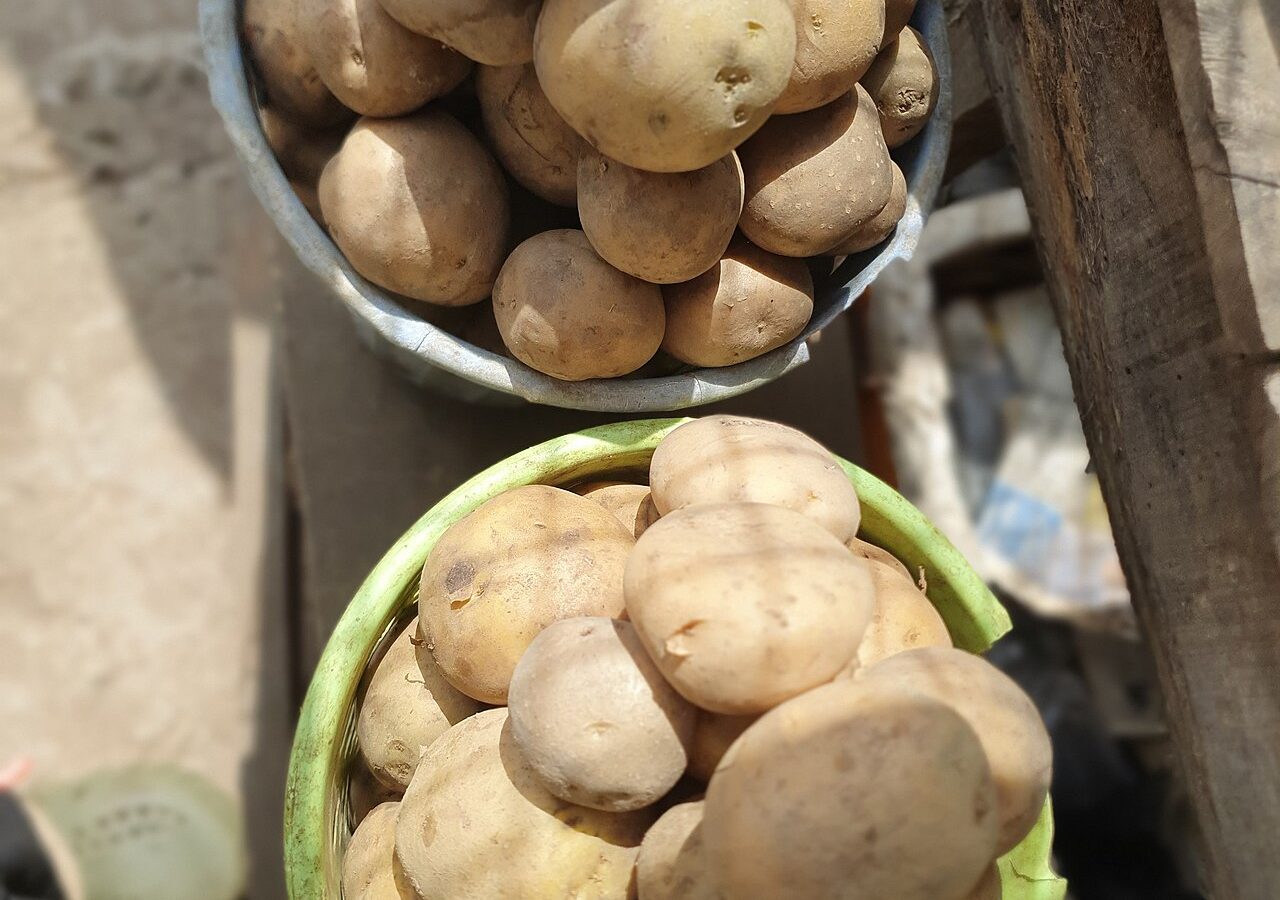
Potatoes, onions, carrots, parsnips, swede, turnips, beetroot and squash all do well this way. They are the crops that were stored through winters long before refrigeration.
Onions and potatoes should be kept apart. Onions release ethylene which makes potatoes sprout, and potatoes release moisture which makes onions rot.
Garlic and shallots want the same treatment as onions: dry, dark, ventilated, and never in the fridge.
What must stay cold
Anything leafy, anything soft, and anything already cut. Salad, herbs, berries, peppers and courgettes all belong in the fridge.
Roots that have been peeled or chopped are a different case entirely. Once the skin is broken, they are a prepared food and need refrigeration.
If you are unsure, the rule is simple: whole and hard goes cool, cut or soft goes cold.
Dealing with dirt
Do not wash root vegetables before storing. Moisture on the skin is the beginning of mould, and the dirt actually protects them.
Brush off loose soil and leave the rest. Wash immediately before use, which is what you would do anyway.
Check the box weekly and remove anything soft. One rotting potato will take the whole box with it within a week.
When you have no cool space
Not every home has a garage or a cold cupboard. In a warm flat, the fridge is the least bad option, and the drawer is designed for this.
In that case, keep roots in a paper bag inside the drawer rather than loose. The bag buffers the humidity and prevents the desiccation that loose storage causes.
Buy smaller quantities more often. If you cannot store them properly, storing less is the solution, and it costs nothing.
The savings involved
Root vegetables are cheap per kilo and expensive per kilo eaten, because so much gets binned. Extending their life from ten days to a month changes that ratio considerably.
A household binning a third of its carrots is effectively paying fifty percent more for the ones it eats. Fixing the storage fixes the price.
The change requires a box and a cool corner. That is the entire investment, and it pays back in the first month.
The old-fashioned alternatives
A wooden crate filled with sand was the traditional root store, and it still works. Roots buried in dry sand in a cool shed keep for months with no equipment at all.
Newspaper wrapped around each root achieves something similar on a smaller scale. It buffers humidity and stops one rotten item spreading to its neighbours.
A cardboard box with ventilation holes is the accessible version. Free from any shop, functional for a season, and replaceable.
None of these need to be pretty. They live in a cupboard or a shed, and nobody is judging the aesthetics of a carrot box.
What to do with a glut
If a bag arrives faster than you can eat it, cook and freeze rather than trying to store longer. Roasted carrots freeze well and reheat in minutes, which converts a storage problem into a convenience food.
Pickling is the other traditional answer and it works on almost any root. A jar of vinegar, salt and sugar turns a surplus into something that keeps for months.
The one number to remember
Root vegetables want steady, not cold. A cupboard that stays between five and ten degrees beats a fridge that swings between two and six with the door opening every hour.
Take your next bag of carrots out of the fridge and put it in a paper bag in the coolest cupboard you have. Check it in two weeks. If they are still firm, you have found free storage space and a permanent saving.