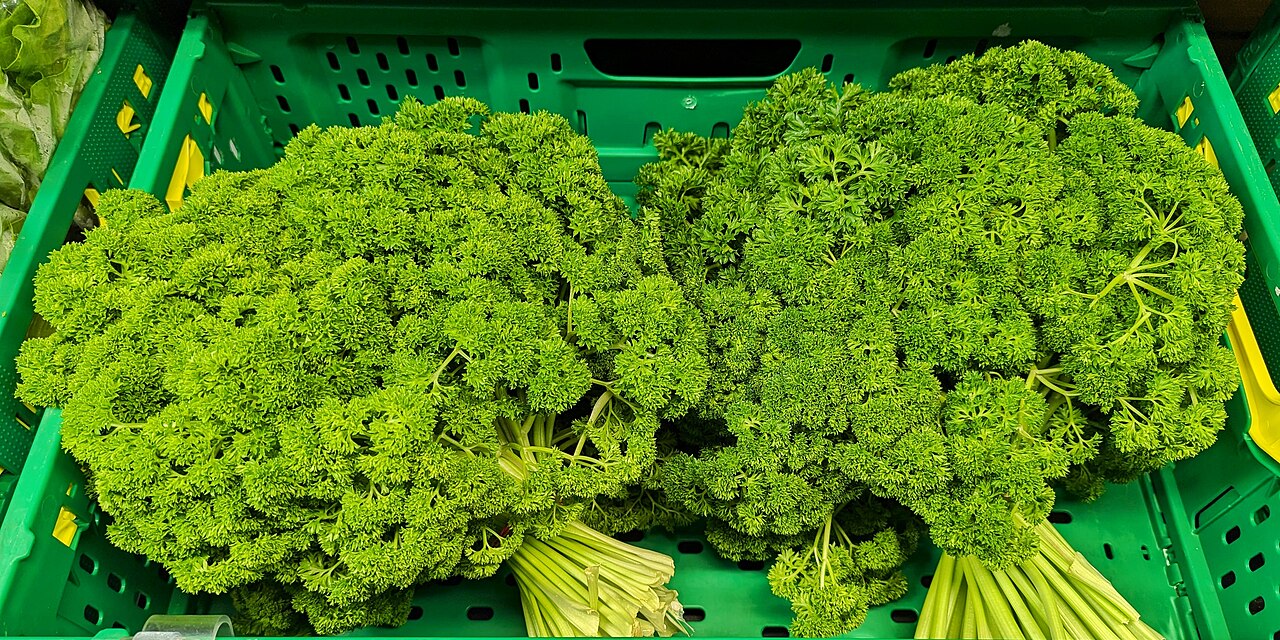
Keeping Fresh Herbs Alive for Two Weeks Without Plastic
A bunch of parsley bought on Saturday is slime by Wednesday. A bunch treated the right way is still usable twelve days later, and the difference is not luck. It is about three minutes of handling on the day you bring it home.
Which herbs behave which way
Soft herbs with thin stems, like parsley, coriander, dill and mint, want to be treated like cut flowers. They drink through the stem and they rot if the leaves stay wet.
Woody herbs with tough stems, like rosemary, thyme, oregano and sage, want the opposite. They hate standing water and prefer to be dry and loosely wrapped.
Basil is its own category entirely. It blackens in the cold, so the fridge is the wrong place for it. Treat it like a houseplant on the counter and it will last a week.
The soft herb method
Trim the bottom centimetre of stem with a sharp knife rather than scissors. A clean cut takes up water, a crushed one does not. Remove any leaves that would sit below the waterline.
Stand the bunch in a glass with two centimetres of water and cover the leaves loosely with a paper bag or a clean cloth. The cover stops the leaves drying out without trapping moisture against them.
Change the water every two days. If you skip that step the water goes cloudy, the stems rot, and the whole bunch follows within a day.
Why plastic bags make it worse
The supermarket bag creates a sealed humid environment. Condensation forms on the leaves, and that moisture is exactly what mould needs. The bag looks protective and behaves like an incubator.
If you must use a bag, line it with a dry cloth or paper towel and leave it open at the top. That gives you humidity control without the swamp.
A cloth produce bag works better than plastic for the same reason. It breathes, so condensation escapes instead of pooling.
The woody herb method
Do not wash woody herbs until you are ready to use them. Water on the leaves is the main cause of black mould on thyme and rosemary.
Wrap them loosely in a dry cloth or a sheet of paper and keep them in the warmest part of the fridge, or in a cool cupboard if your kitchen stays below twenty degrees. They will hold for two to three weeks this way.
Alternatively, strip the leaves and freeze them in a small container. Rosemary and thyme freeze well and go straight into a hot pan without thawing.
Reviving a bunch that has started to go
Wilted but not slimy is recoverable. Cut the stems again and stand the bunch in cold water for an hour. Most soft herbs will come back enough to cook with, though not enough for a raw garnish.
Anything with slime on the stems is finished. Do not rinse it and hope. Slimy stems mean bacterial breakdown and there is no coming back from that.
A practical middle path is to pick out the good leaves, chop them, and freeze them in a small bag with a little oil. That captures the flavour before the whole bunch is lost.
Buying so you waste less in the first place
Buy one herb at a time and buy it with a plan. Two bunches bought for one recipe means one bunch dies. That is not a storage failure, it is a shopping failure.
If a recipe needs a tablespoon of dill, buy a small bunch and accept the price per gram. It is still cheaper than buying a large bunch and binning most of it.
Where you have space, growing the three herbs you use most removes the problem entirely. Mint and parsley will both survive on a windowsill with almost no attention.
Freezing herbs before they turn
When a bunch is clearly not going to make it through the week, freezing is the way to keep the value rather than watch it rot. Chop the leaves finely, pack them into an ice cube tray, and cover with a little water or oil.
Once frozen, the cubes drop straight into a hot pan. The texture is gone but the flavour is intact, which is exactly what you want for a stew or a sauce. This works for parsley, coriander, dill and basil alike.
Woody herbs do not need the water. Strip the leaves, freeze them dry in a small tub, and crumble what you need straight from frozen. Thyme and rosemary both handle this better than the soft herbs do.
Label the tray. Frozen herb cubes all look identical, and a coriander cube in a dessert is a genuinely unpleasant surprise. A strip of tape with the name written on it takes four seconds.
One caution: do not refreeze. Once a cube has thawed it goes into the pan immediately, or it goes in the bin. Repeated freezing destroys both texture and flavour, and the saving disappears.
Take the bunch out of its bag the moment you get home, cut the stems, and stand it in a glass. It takes under a minute and it is the single highest-return habit in a kitchen. Do it once and you will not go back to finding slime at the bottom of the fridge.