White Vinegar for Cleaning: Where It Works and Where It Does Not
White vinegar dissolves limescale better than most commercial products and costs about a tenth as much. It also etches stone, corrodes metal and destroys grout if you use it in the wrong place. The trick is knowing which surface you are standing in front of.
What vinegar actually does
Vinegar is a weak acid, usually around five percent acetic acid. That acidity dissolves mineral deposits, which is why it destroys limescale on taps and kettles and why it fails completely on grease.
It is also a mild antimicrobial, though not a disinfectant in the clinical sense. It reduces surface bacteria but does not sterilise, and anyone claiming otherwise is overstating the case.
Understanding the mechanism explains every rule below. Acid dissolves minerals and attacks alkaline materials. Grease is not a mineral, so vinegar mostly smears it around.
Where it genuinely wins
Kettles, shower heads, taps and glass shower screens all collect limescale, and vinegar removes it in twenty minutes with no scrubbing. Fill, soak, rinse.
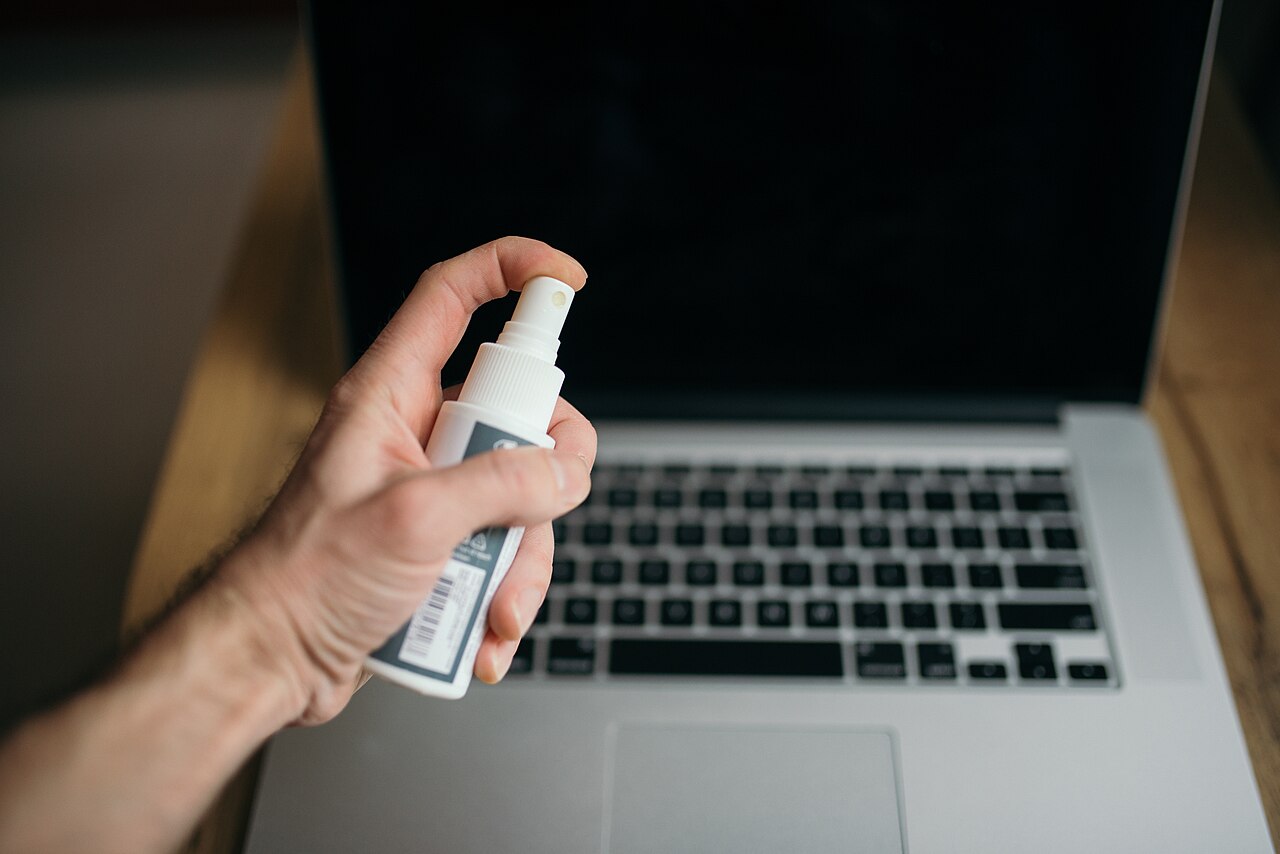
A spray bottle of half vinegar and half water handles most bathroom surfaces. Leave it for a few minutes rather than wiping immediately, because the acid needs contact time to work.
Washing machines benefit from a hot cycle with two cups of vinegar every few months. It breaks down detergent residue and the smell that comes with it.
Where it causes damage
Natural stone, marble, limestone and travertine are all calcium based, which means acid dissolves them. Vinegar will permanently etch a marble worktop in one application.
Cement and sanded grout are damaged the same way. Repeated use eats the surface and leaves it crumbly, and the damage is not reversible.
Aluminium, cast iron and any reactive metal will corrode or lose seasoning. Never put vinegar on a cast iron pan, and never leave it sitting on an aluminium surface.
The rubber and seal question
Repeated vinegar exposure degrades the rubber seals in washing machines and dishwashers over years. Occasional use is fine. Monthly soaking is not.
The same applies to the rubber gaskets around fridge doors and oven seals. Wipe and rinse rather than soak.
If a seal already looks perished, it is a cheap part to replace and worth doing. A failing seal costs more in energy than the part costs to buy.
Making it work harder
Vinegar plus baking soda is a fizzy reaction that looks impressive and cleans slightly worse than either alone. The fizz is carbon dioxide escaping and it does no cleaning. Use one or the other.
For greasy surfaces, use washing-up liquid first and vinegar second. The detergent lifts the fat and the acid removes the mineral film underneath.
Add a few drops of essential oil only if you care about the smell. It contributes nothing to cleaning and it makes the mixture more expensive.
The smell, honestly
Vinegar smells sharp while wet and the smell disappears completely when dry. That is a real property, not a marketing claim, and it is why it works well on hard surfaces.
On soft furnishings the smell lingers far longer. Do not use it on upholstery unless you can air the room for a day.
If the smell bothers you during use, ventilate rather than adding fragrance. A window achieves more than a bottle of scent.
Buying it cheaply
Own-brand distilled white vinegar is identical to branded versions for cleaning purposes. The expensive ones are for eating, and the difference is in flavour, not acidity.
Buy the largest bottle you can lift. It does not expire, it does not need special storage, and the unit price drops sharply with size.
Do not decant it into an unlabelled bottle. Vinegar looks exactly like water and a mistaken glass of it is a genuinely unpleasant experience.
The dilution question
Straight vinegar is stronger than most jobs need. A fifty fifty dilution with water is adequate for everyday surfaces and stretches the bottle twice as far.
For heavy limescale, use it neat and leave it longer rather than using more. Contact time does the work, and a stronger solution does not speed it up much.
Never mix vinegar with bleach. The reaction produces chlorine gas, which is genuinely dangerous in a confined bathroom. Keep the two on separate shelves and never combine them in a bucket.
Also skip it on anything with a protective coating. Sealed stone and lacquered metal can both be dulled by repeated acid contact, even if they survive the first application.
One job it does better than anything else
Cleaning the inside of a kettle is the clearest single demonstration. Fill with half water and half vinegar, boil, leave twenty minutes, rinse. The scale lifts off in sheets and the element runs cooler afterwards, which pays for the vinegar in electricity.
Fill a spray bottle with half water and half vinegar and label it clearly. Use it on taps and shower screens this week, and keep it away from the stone worktop. That one bottle replaces three products you were buying.