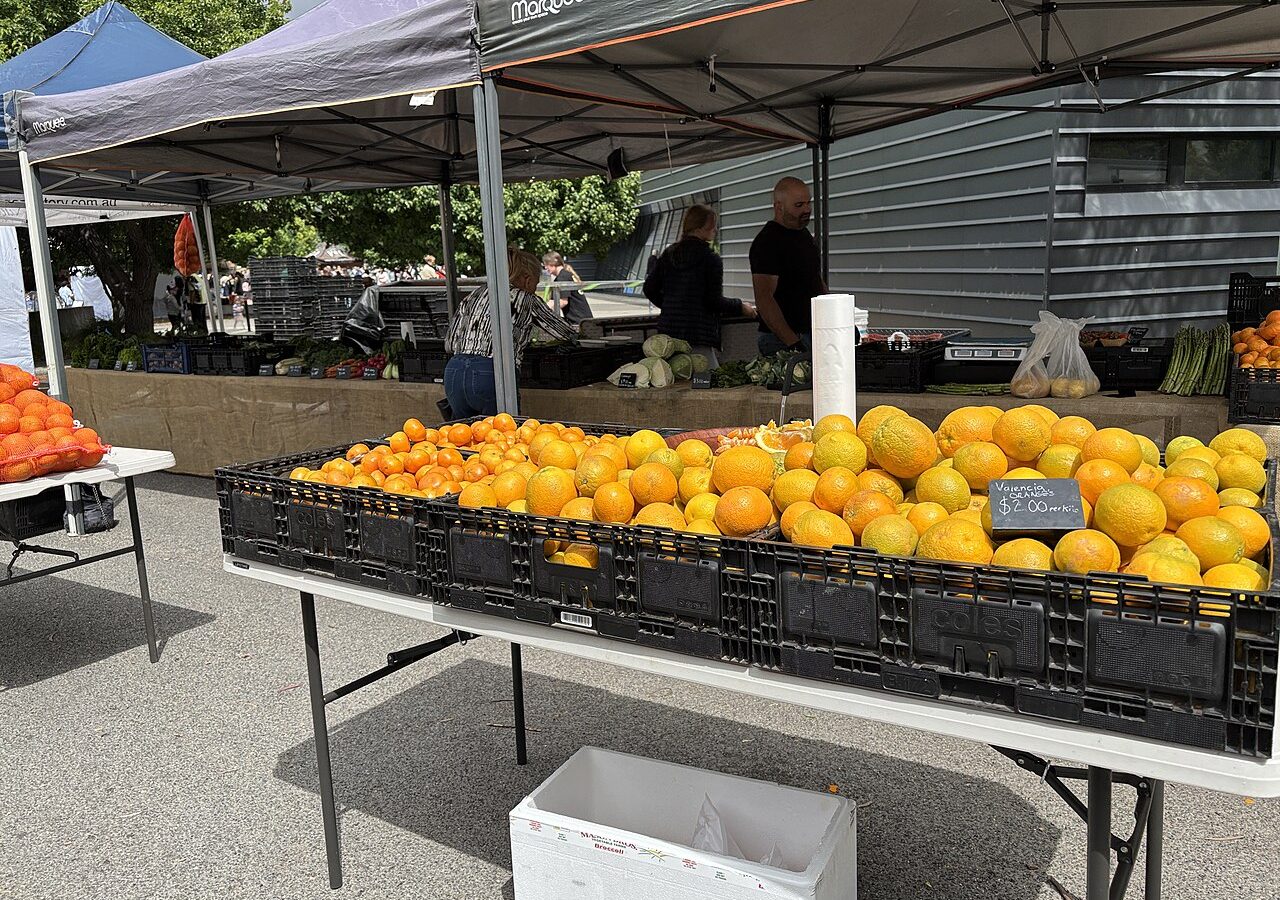
Loose Produce vs Pre-Packaged: The Price You Pay for Convenience
A three pack of peppers wrapped in plastic costs four dollars. Three loose peppers from the same shop cost two eighty. Nobody compares them because the wrapped ones are already weighed and the loose ones require a decision.
Why the packaged version costs more
You are paying for the film, the weighing, the barcode and the shelf space the rigid pack occupies. None of that is food, and all of it is in the price.
Pre-packaged produce is also more likely to be graded for uniform appearance, which means perfectly good irregular items get diverted elsewhere. The pack is selling looks as much as peppers.
And you cannot choose the quantity. A pack of four onions when a recipe needs one means three sit in the drawer until they sprout.
The waste arithmetic
Household food waste is dominated by fresh produce, and a large part of it is bought in quantities nobody asked for. Buying loose lets you buy two carrots instead of a bag of ten.
That reduction is worth more than the price difference. A bag of carrots where half is binned effectively doubles the price of the ones you ate.
Smaller, more frequent purchases have a cost in trips. If you shop weekly, buying exactly what a week needs is a skill worth developing, and loose produce is the tool for it.
When packaged is genuinely better
Some items keep far better packaged. Salad leaves, berries and soft herbs all benefit from a controlled atmosphere, and loose versions wilt within a day in an open fridge.
Frozen produce is a different category and usually excellent value. It is picked and frozen at peak, has less waste, and the nutritional difference is negligible.
If you have limited shopping access, packaged produce with a longer shelf life is the pragmatic choice. Buying loose and binning it is not a win.
How to shop loose without friction
Bring your own bags and keep them in the car or by the door. The reason people default to packaged is almost always that they arrived without bags.
Learn the codes for the items you buy most. Most shops let you weigh and label at the scale, and knowing the routine removes the awkwardness.
Buy the same handful of vegetables each week and vary the cooking rather than the shopping. Familiarity makes the loose counter fast.
The cosmetic standard problem
A knobbly carrot tastes the same as a straight one and often costs less. Shops that sell loose frequently stock the grades that do not pass the appearance test, and that is exactly where the value sits.
Small blemishes are usually cosmetic. Soft spots are not, and loose buying lets you check each item rather than trusting a sealed pack.
That inspection is a genuine advantage. You can reject the one bad apple instead of discovering it three days later at the bottom of a bag.
Where the savings actually land
Across a weekly shop, loose produce typically saves between ten and twenty percent on the fresh section, plus whatever you avoid wasting. On a sixty dollar fresh spend that is real money over a year.
The saving is not uniform, so do not assume it everywhere. Weigh the comparison once for the ten items you buy most, and then stop checking.
Keep the numbers rough. The point is to remove the default, not to optimise every purchase to the cent.
One practical compromise
Buy loose for anything you will use within a week and packaged for anything you need to keep longer. That split captures most of the saving without creating waste.
And if a shop only sells packaged, buy the smallest pack available rather than the best value per gram. The larger pack is only better value if all of it gets eaten.
None of this requires a new routine. It requires one extra decision at the shelf, made once, that then becomes automatic.
The plastic arithmetic
A household buying packaged produce accumulates a remarkable amount of film, most of which is not recyclable because it is too thin and too contaminated.
Loose produce with a reusable bag removes that stream almost entirely, which is the outcome most people are actually after when they start thinking about this.
The bag matters though. Buying loose and putting it in a new single-use bag at the till achieves the price saving and none of the waste saving.
Keep three cloth bags folded in your usual shopping bag. Three is enough for a week, and they weigh nothing.
The time cost, briefly
Loose produce takes perhaps ninety seconds longer per shop. That is a real cost, and it is the honest counterweight to the savings. What it buys is portion control, which is where the food waste actually lives.
Pick the three vegetables you buy most often and buy them loose next week. Weigh them, compare the receipt with last week’s, and check how much of each actually got eaten. That single test tells you whether this is worth making permanent.