Baking Soda vs Dedicated Scourers: Choosing the Right Abrasive
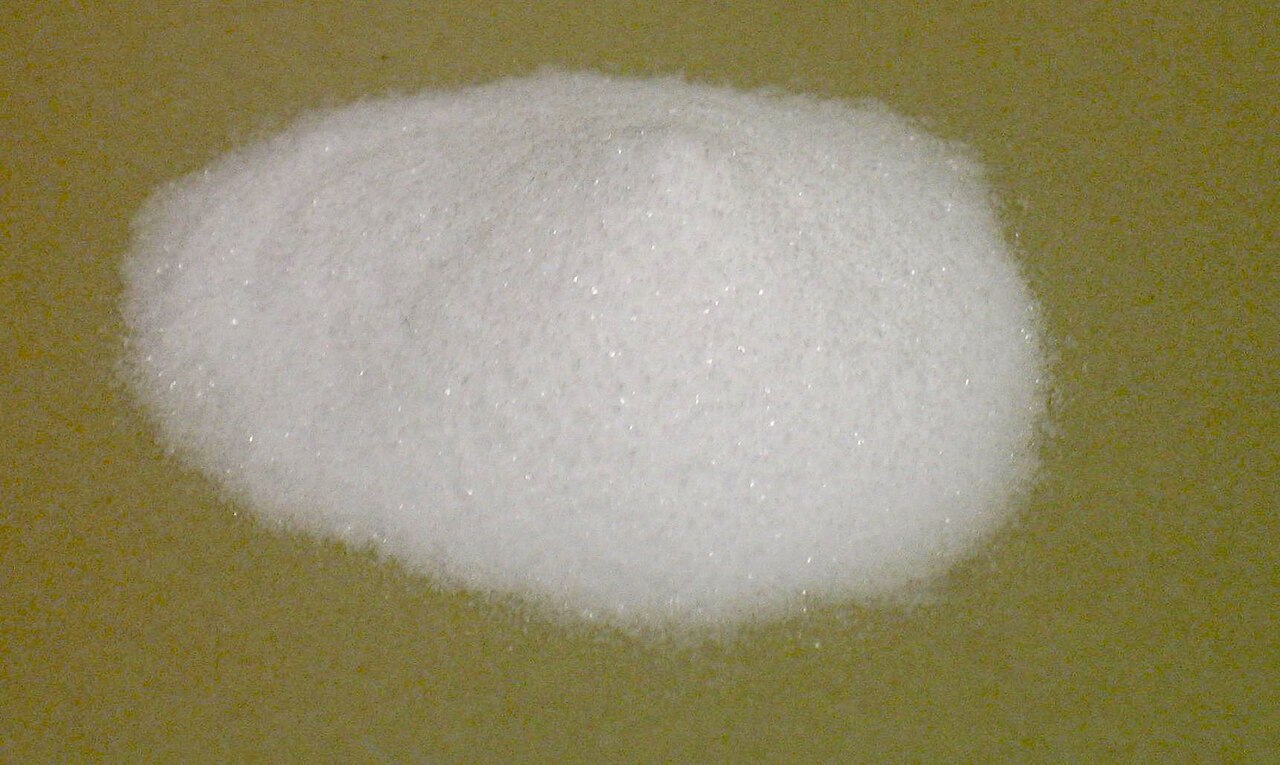
Baking soda costs almost nothing and removes burnt food from a pan better than a specialist cleaner costing eight times as much. It also scratches glass, dulls stainless steel and does nothing at all on grease. Knowing which surface you are holding is the whole skill.
How an abrasive works
Every scouring product is a particles-in-a-carrier system. The particles are harder than the burnt residue and softer than the surface, ideally. When that balance is wrong, the surface gets damaged along with the dirt.
Baking soda is soft on the Mohs scale, around two and a half. That makes it safe on most kitchen surfaces and almost useless on genuinely hard deposits.
Calcium carbonate, the main ingredient in many cream cleansers, is harder and cuts faster. Steel wool sits at the top and will remove the surface as well as the stain.
Where baking soda is the right answer
Enamel pans, ceramic sinks, stainless steel worktops, plastic chopping boards and the inside of a fridge. These all tolerate a soft abrasive and benefit from one that does not scratch.
A paste of three parts bicarbonate to one part water, left on a burnt pan for twenty minutes, lifts most residues without any scrubbing at all. The alkali also saponifies fat, which helps.
It is also the best thing for a smelly fridge or a stained thermos. A spoonful with warm water, left overnight, removes odours rather than masking them.
Where it fails
Baking soda does nothing on hard water scale. That is a mineral deposit and it needs acid, not alkali. Vinegar works; bicarbonate does not.
It is also poor on polymerised grease, the brown varnish that builds up on oven shelves. That needs either strong alkali in concentration or a dedicated oven cleaner.
And it scratches glass and polished stone. Never use it on a glass hob or a marble worktop, where the particles leave a visible haze.
The abrasive ladder
Softest first: bicarbonate, then cream cleanser, then nylon pads, then steel wool, then sandpaper. Always start one step softer than you think you need.
Most cleaning problems are solved by the softest option plus time. The mistake people make is escalating to a harsh abrasive immediately, which removes the dirt and the finish together.
If a soft abrasive and twenty minutes does not work, the deposit is not abrasive-soluble and you need a chemical approach instead of a harder pad.
The cream cleanser case
Cream cleansers sit between bicarbonate and a nylon pad. They contain calcium carbonate in a surfactant base, so they combine mild abrasion with some grease cutting.
They are genuinely convenient and they work. The cost per use is far higher than a tub of bicarbonate, and the tub lasts years.
The pragmatic answer for most households is to keep both. Bicarbonate for the big jobs and soaking, cream cleanser for the quick wipe when you cannot be bothered to mix a paste.
Protecting the surface
Test on an inconspicuous area first. This advice is ignored constantly and it is the reason so many hobs and worktops carry a permanent dull patch.
Use the minimum pressure needed. Most of the cleaning is done by the chemical action and the contact time, not the force.
Rinse thoroughly afterwards. Bicarbonate residue leaves a white film that looks like damage and wipes off easily, but it is alarming until you know.
What not to mix
Bicarbonate and vinegar produce a fizz that looks effective and cleans worse than either alone. The reaction consumes both, leaving you with salty water.
Bicarbonate and bleach should never be combined. It is not explosive but it produces irritating compounds and it wastes both products.
Keep it simple: bicarbonate with water for soaking, vinegar with water for scale, and a surfactant for grease. Three things cover a whole house.
The oven shelf problem
Baked-on oven grease is the one job bicarbonate cannot do alone. It needs either a long soak in a strong alkaline solution or a dedicated caustic cleaner, and there is no gentle shortcut.
The self-cleaning cycle on an oven does the same job with heat, which costs electricity but no chemicals. If you have that function, use it before resorting to a scourer.
For the shelves themselves, a bin bag with a cup of ammonia left overnight works better than anything and requires no scrubbing at all. Ventilate the room properly when you open it.
How much to use
A tablespoon of bicarbonate in half a cup of water is enough for a pan. More does not clean faster and it takes longer to rinse away.
For a sink, sprinkle directly and scrub with a damp cloth. The paste forms as you go, which is the intended behaviour.
Put a small jar of bicarbonate next to the sink and use it on one burnt pan this week. Leave it twenty minutes before scrubbing. If that works, you have replaced a product you were buying and you have spent about two cents finding out.