Reading Date Labels Correctly: Best Before, Use By and the Rest
A yogurt three days past its best before date gets thrown away in most kitchens and eaten without complaint in mine. Two labels that look similar mean completely different things, and confusing them accounts for a significant share of household food waste.
The two labels that matter
Use by is a safety date. It appears on food that can become dangerous quickly: fresh meat, fish, ready meals, soft cheese. After that date, the food may harbour pathogens regardless of how it looks or smells.
Best before is a quality date. It appears on shelf stable food where the only consequence of passing it is a decline in texture or flavour. It is not a safety instruction.
That is the whole distinction. One is a rule, the other is a suggestion, and treating them identically costs households a substantial amount of money every year.
What best before actually means
It is the manufacturer’s estimate of when the product starts to lose peak quality. Pasta a year past its date is edible. It may take slightly longer to cook and it may be a little duller in flavour.
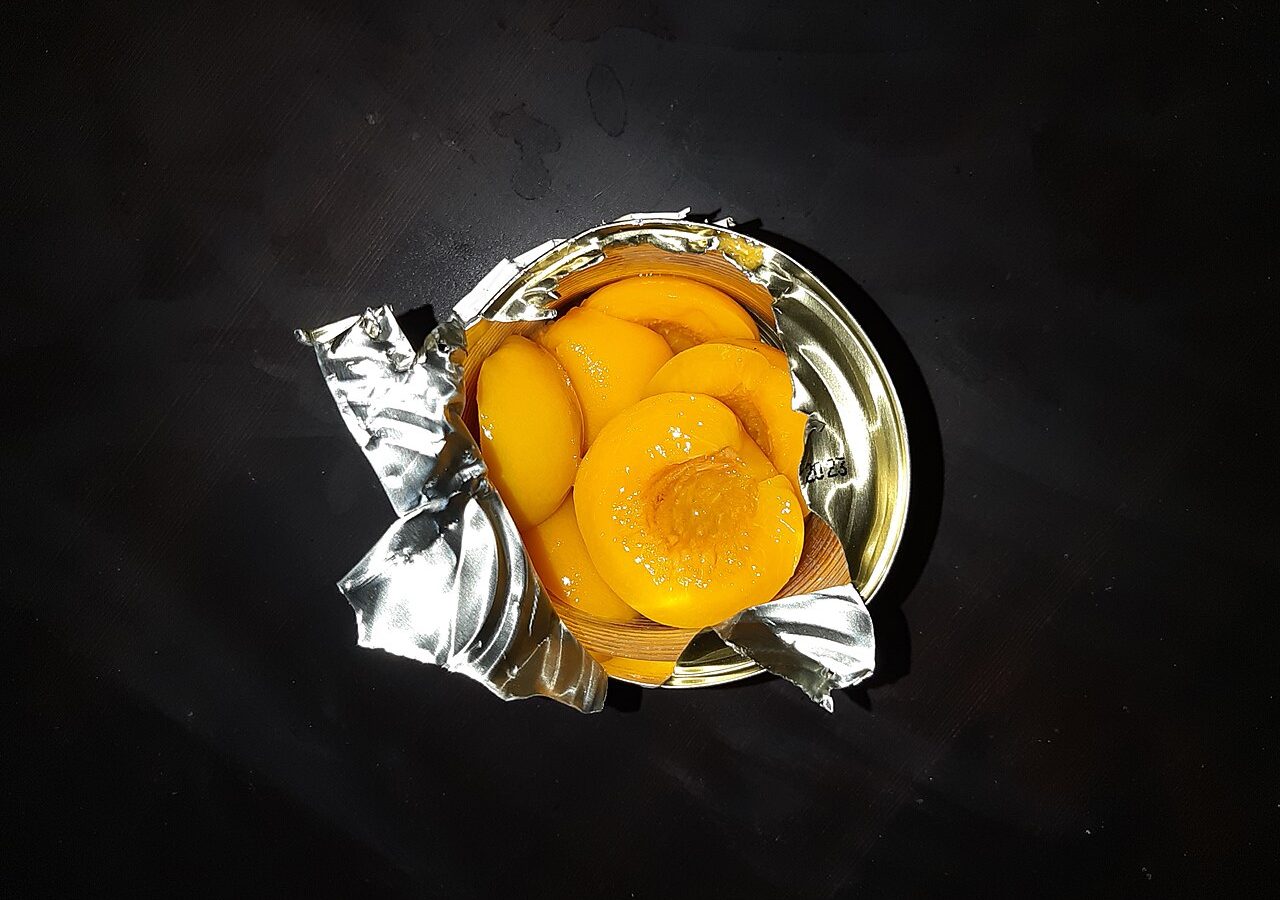
Tinned food is the strongest case. Acidic contents degrade the lining over years, but a tin five years past its date is usually fine if it is not bulging.
Dry goods, frozen food, sugar, salt, honey and vinegar are effectively immortal. The date is essentially decorative on those.
Where use by must be respected
Fresh poultry, minced meat, fish and shellfish are the ones that genuinely matter. Bacterial load grows exponentially and appearance is not a reliable indicator.
Ready-to-eat foods that will not be cooked again, like deli salads and soft cheeses, also belong in this category. There is no kill step between the package and your mouth.
Infant formula is the one absolute. Never use it past the use by date, and never make it up in advance.
The smell test and its limits
Smell detects spoilage organisms, which are usually harmless. It does not detect pathogens like listeria or salmonella, which produce no odour at all.
So smell is useful for confirming that something has gone off, and useless for confirming that it is safe. That asymmetry is why use by dates exist.
For best before items, smell and texture are entirely adequate. For use by items, they are not a substitute for the date.
Freezing before the date
You can freeze food up to its use by date, and it then keeps for months. Freeze on the date, not after it. The clock stops at freezing, not at purchase.
Label the frozen item with the date it went in. A frozen pack without a date is a pack you will eventually discard rather than risk.
Once thawed, use within twenty-four hours and do not refreeze raw. That rule is not bureaucratic, it is about the number of times the food passes through the danger zone.
Why the dates are conservative
Manufacturers set best before dates with a safety margin, because a product that fails early damages the brand more than one that is discarded early.
Retailers compound this by removing stock from shelves before the date, which is why discounting happens in the last few days.
That margin is your opportunity. The last week of a best before window is usually the best value in the shop, and it is perfectly good food.
What to do about the confusion
Learn the two labels and check which one is on each item as you put it away. That single habit stops most unnecessary binning.
Keep a marker in the kitchen and write the opening date on anything that changes after opening. The package date refers to a sealed pack, and an opened jar is on a different clock.
And be sceptical of your own nose. It is a good spoilage detector and a poor safety detector, which is exactly the opposite of what most people assume.
Freezer dates are different again
Frozen food carries a best before rather than a use by, because freezing halts the processes that cause spoilage. A fish finger two years past its date is safe, though it may have dried out.
The important number is the one you write on the bag when you freeze something yourself. Home frozen food has no printed date and the clock starts when it goes in, not when you bought it.
Three months is a reasonable default for home frozen cooked food, and it is deliberately conservative. Most things keep longer, but the quality decline is noticeable after that.
Go through the fridge and find one item past its best before date. Read the label to confirm it is not a use by, then make a judgement and eat it. That one act breaks a habit that costs more than any of the switches on this site.