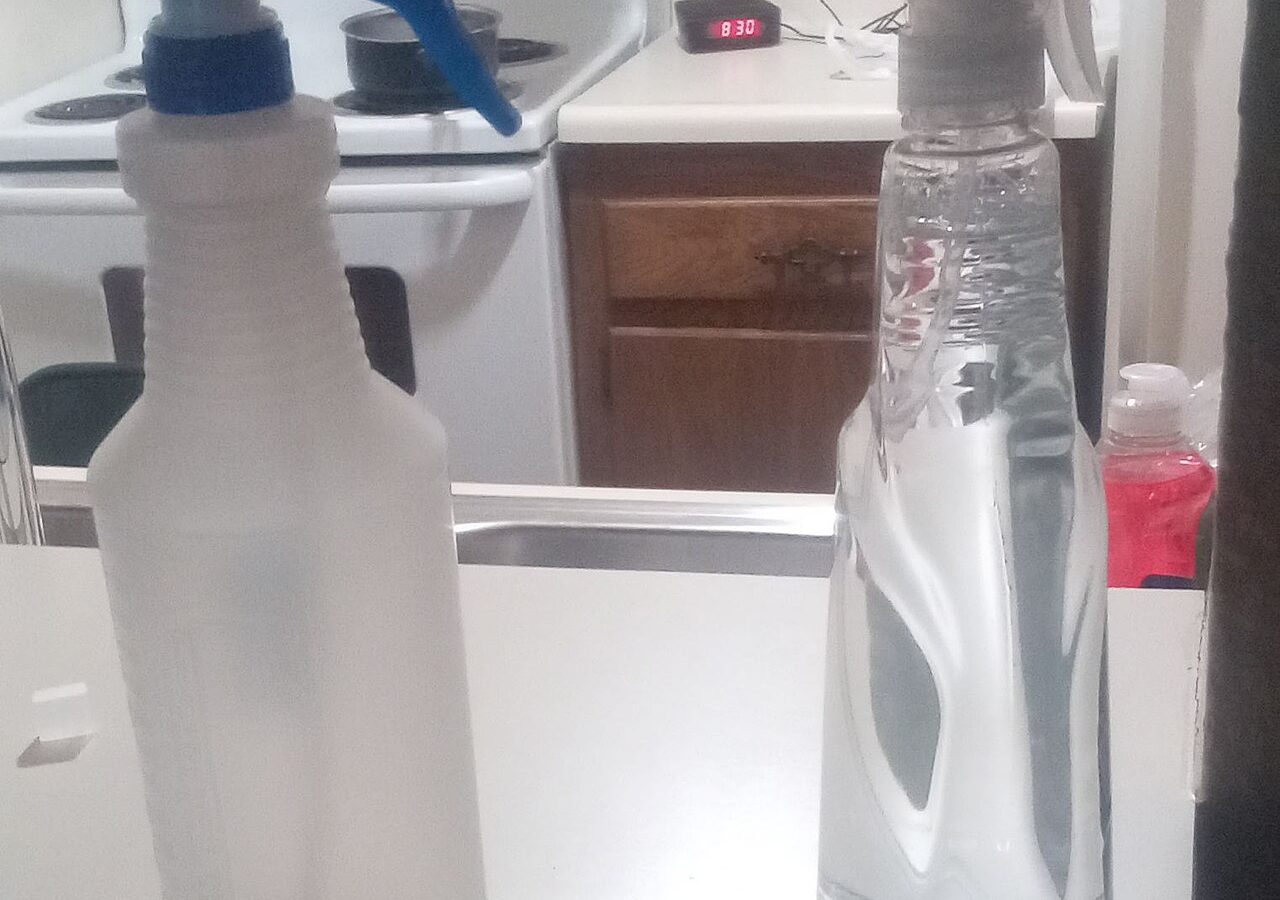
Concentrated Cleaners and the Water You Are Paying to Ship
A standard bottle of surface cleaner is about ninety percent water. You pay for that water, you carry it home, and then you add more water at the sink. A concentrate costs a little more per bottle and about a fifth as much per use.
The arithmetic on dilution
A five hundred millilitre bottle of ready-to-use cleaner makes roughly one spray bottle of cleaning. It costs about four dollars, so four dollars per usable bottle.
A concentrated version costing eight dollars makes ten spray bottles from the same volume. That is eighty cents per usable bottle, and the plastic is one container instead of ten.
The saving is real but it depends on diluting correctly. Concentrates used neat cost more than the ready-made version, and this happens more often than people admit.
Getting the dose right
Buy a bottle with a measuring cap or a pump that doses per squeeze. Eyeballing a concentrate into a spray bottle is how people use five times the recommended amount.
Mark the water line on your spray bottle with a permanent marker. Fill to the line, add one capful, done. That routine is faster than reading the label each time.
Keep the concentrate out of reach of the spray bottle. Decanting a month’s supply at once means you dilute once and stop thinking about it.
Which products work as concentrates
Surface cleaners, floor cleaners, washing-up liquid and laundry detergent all work well concentrated. The chemistry is mostly surfactants and the water is only a carrier.
Glass cleaner is the classic example. A concentrate plus water in a spray bottle performs identically to the ready-made version for a fraction of the cost.
Bleach should not be concentrated at home. The dilution is safety-critical and getting it wrong is genuinely hazardous, so buy it ready-diluted or follow the label exactly.
The plastic reduction
One concentrate bottle replaces eight to ten ready-to-use bottles. That is a substantial reduction in plastic for a single change in buying habit.
The spray bottle you already own gets reused indefinitely, which is where most of the saving actually sits. Keep one good trigger spray and refill it rather than buying new ones.
Buy a trigger spray that is repairable or at least robust. Cheap ones fail within months and turn the whole system into a plastic treadmill.
Where concentrates disappoint
Some formulations do not dilute well and separate after a few days. Shake before use, and if it separates persistently, that product is not designed for home dilution.
Fragrance is usually the first thing to fade in a diluted mix. If the smell matters to you, dilute in smaller batches.
And there is a real risk of over-dilution. A mix that is too weak does not clean, and people respond by using more, which erodes the saving without anyone noticing.
Storing and labelling
Decanted cleaners must be labelled. An unmarked bottle of clear liquid is a hazard, especially in a house with children.
Keep the original concentrate bottle for reference, with the dose instructions visible. Store it high and the diluted spray low.
Do not reuse food bottles for cleaners. This is the most common cause of accidental poisoning in homes, and it happens because the bottle looks familiar.
What it adds up to
Across four or five cleaning products, a household switching to concentrates typically saves a meaningful sum annually and removes dozens of bottles from the waste stream.
The change takes one shopping trip and about ten minutes of decanting. After that it is automatic, because the diluted bottle is what you reach for.
It is one of the few swaps with no downside, no learning curve and no compromise in performance. That is rare enough to be worth doing immediately.
The cost of the trigger spray itself
A decent trigger spray costs more than a cheap one but survives years of refilling. Cheap ones lose their spring within months, and a failed spray turns a good concentrate into a nuisance.
Buy one good bottle and treat it as equipment rather than packaging. That framing changes how much you are willing to spend on it, correctly.
Keep a spare nozzle if you can find one. The mechanism fails long before the bottle does, and a two dollar part saves replacing the whole thing.
Label the bottle with the product name. Six identical spray bottles with different contents is how people end up cleaning glass with floor cleaner.
A note on safety
Never decant a concentrate into a drinks bottle or a food container. The one accident worth designing against is somebody taking a mouthful of something that looks like water.
Buy one concentrate for the cleaner you use most and one empty spray bottle. Dilute according to the label, mark the water line, and use it for a fortnight. If it performs, replace the other products the same way.