Second-Hand Furniture: What to Inspect Before You Pay
A solid oak table for forty dollars is either the best purchase of the year or a source of woodworm in your dining room. The difference is fifteen minutes of inspection, and almost nobody does it before handing over the money.
Start with the joints
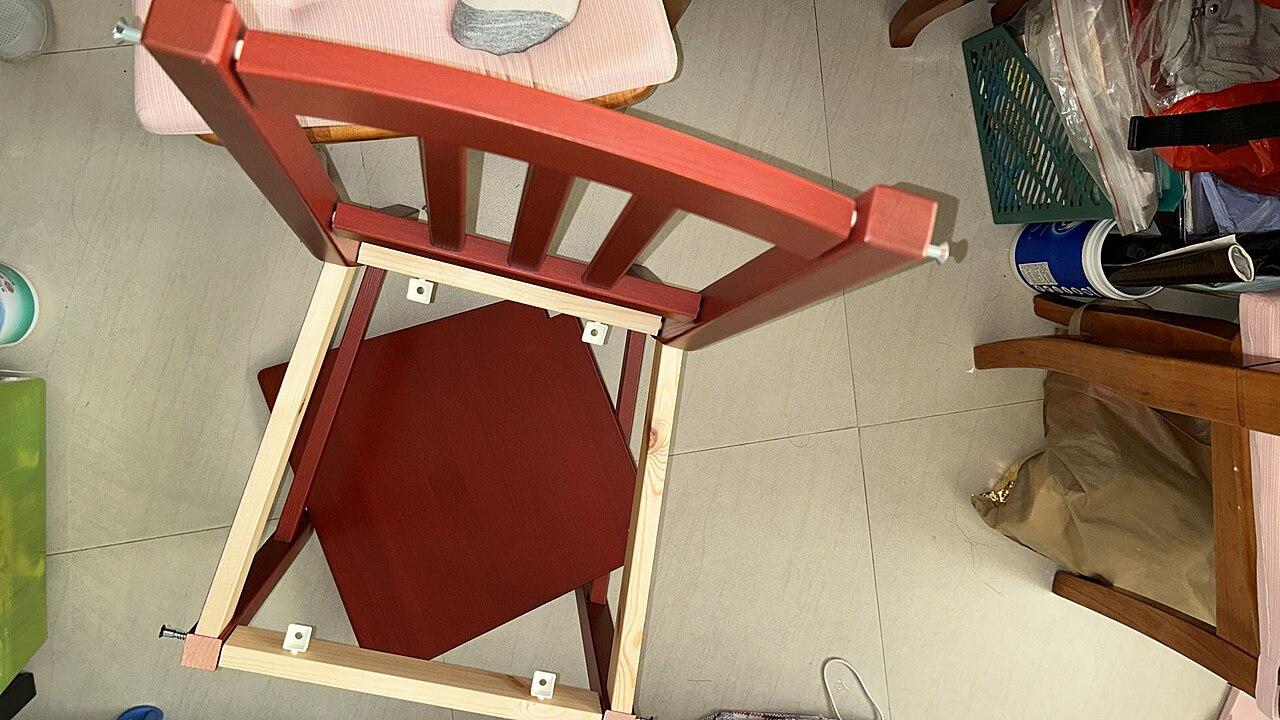
Pick the item up and rock it gently. Any movement at a joint means the glue has failed, which is usually fixable but tells you the piece has been stressed.
Look at the joint itself, not the surface. A chair leg that has been re-glued badly will show squeeze-out or mismatched filler around the socket.
Solid joints with no movement are the single best indicator of quality. A piece that does not wobble after thirty years will not start now.
Check for woodworm
Small round holes about two millimetres across, with fine dust beneath them, mean active woodworm. Fresh dust is the giveaway; old holes with no dust are usually historic and inert.
Tap the wood firmly. A dull hollow sound in an area with holes suggests the interior has been eaten out.
Active infestation is treatable but it is a project, and the treatment costs more than most second-hand pieces are worth. Walk away unless the piece is genuinely special.
Inspect the frame, not the upholstery
Fabric can be replaced. A cracked frame cannot be fixed cheaply, and upholstery hides it well.
Press down hard on the seat corners and listen. Creaking or flexing means the frame is failing somewhere you cannot see.
Lift the cushions and look at the webbing or springs. Sagging that recovers is fine; sagging that stays means the suspension has gone, which is a bigger job than a new cover.
Smells that do not leave
Smoke, damp and pet odour penetrate foam and padding and are extremely difficult to remove. A piece that smells in the seller’s hallway will smell in your living room.
Damp smell often indicates the piece has been stored somewhere wet, which means the frame may have swollen and the joints may be compromised.
Surface smells on sealed wood can be cleaned. Smells in upholstery usually cannot, so factor in the cost of reupholstery or walk away.
Drawers and moving parts
Open and close every drawer fully. A drawer that sticks may just need wax, or the runners may be split.
Look at the drawer bottoms. Thin plywood that bows under light pressure has been overloaded, and it will fail.
Check hinges and catches for missing screws and split screw holes. A split hole can be fixed with a glued dowel, which is a ten minute repair.
Materials worth seeking out
Solid wood over veneer, though good veneer on a stable substrate is perfectly fine. The problem is chipboard, which swells irreversibly once wet.
Dovetail joints on drawers indicate care in construction. Staples and cam locks indicate flat-pack, which has a shorter life.
Metal frames and legs are usually a good sign, as are heavy pieces. Weight correlates with material quality more reliably than appearance.
Transport and total cost
A forty dollar table that costs sixty dollars to move is a hundred dollar table. Check dimensions against your doorway before committing.
Factor in any repairs, a new coat of finish and the time involved. The total is what you compare against new, not the sticker price.
And measure the space at home. The most common second-hand regret is not condition, it is size, and it is entirely preventable with a tape measure.
Where to look and when
Estate sales and house clearances have the best quality and the worst selection. You cannot plan what you will find, so go with an open mind and a tape measure.
Charity shops vary enormously. The good ones price realistically and the bad ones price from aspiration, and visiting twice tells you which you have.
Online listings are where most people look now, and the advantage is that you can see the condition before travelling. Ask for a photograph of the joints specifically.
Go early on the first day for choice, or late on the last day for price. The middle is the worst of both.
Negotiating without being annoying
Point at the actual fault rather than making a low offer. A wobbly leg is a specific, verifiable reason for a lower price, and most sellers accept it.
Cash and a quick collection are worth a discount to almost anyone selling furniture. Say both before naming a number.
Checking the finish
Run a fingernail across an inconspicuous spot. Finish that flakes means a refinishing job, which is a weekend rather than an afternoon. Solid, even finish means the piece can go straight into the room.
Next time you look at a second-hand piece, rock it, tap it, smell it and open everything. Four checks, two minutes. That is enough to separate the bargains from the money pits, and it costs nothing to do.